Foundation analysis and repair design
Permanent structural crack bonding
Bowing wall stabilization systems
Written coverage on all repair work
Not every crack you find in your foundation wall signals a structural problem, but every crack deserves a professional evaluation because the consequences of misclassifying a structural crack as cosmetic are serious. Our assessment process includes measuring crack width at multiple points, documenting the orientation precisely, checking for horizontal displacement at the crack face, and reviewing the soil and drainage conditions outside the wall. The result is a categorization of the crack as cosmetic, water-entry, or structural -- each with a different repair recommendation.
Horizontal foundation cracks are the category that demands the most urgent attention. A horizontal crack in a concrete block or poured wall indicates that the wall is being pushed inward by lateral earth pressure -- the weight of saturated soil and the force of frost heave pressing against the foundation from outside. Unlike vertical shrinkage cracks, horizontal cracks indicate that the wall is actively deflecting and will continue to do so unless the lateral force is counteracted. Walls that deflect more than one inch from plumb are approaching the threshold at which conventional repair methods may no longer be adequate and more extensive structural remediation may be required. Carbon fiber reinforcement applied to a horizontally cracked wall at the right stage of deflection stops further movement and allows the wall to carry its design loads without progressing to failure.
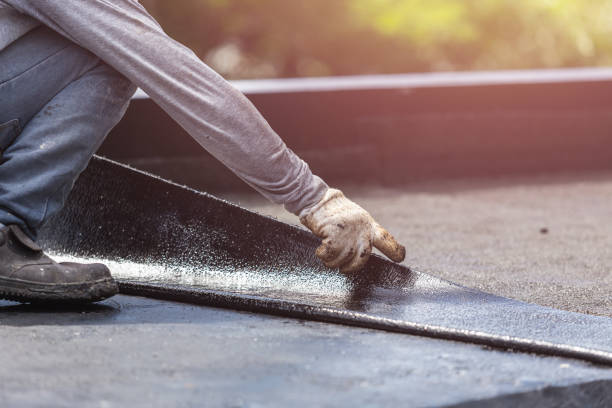
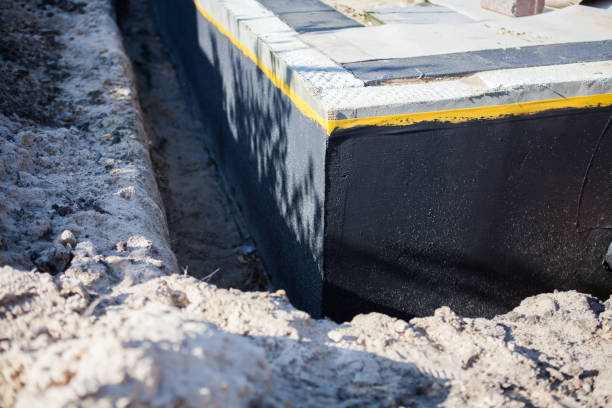
Polyurethane injection is specified for cracks where flexibility is a design requirement rather than structural re-bonding. Polyurethane foam expands as it cures to fill irregular voids completely, including cracks that are not perfectly planar. The cured foam remains flexible, allowing the wall to undergo minor seasonal movement without reopening the seal -- a characteristic that makes polyurethane the right choice for active cracks where temperature-driven concrete expansion and contraction may continue. Polyurethane injection is also used in wet crack conditions because the foam reacts with water during its cure, making moisture in the crack an asset rather than an obstacle to the seal.
Soil settlement beneath footings is an independent cause of foundation cracks that requires evaluation separately from the wall repair itself. When soil compresses or washes out from beneath a footing, that section of the foundation wall loses its support and the wall may develop diagonal cracks as the unsupported section deflects downward. In these cases, crack injection addresses the symptom while leaving the root cause unresolved. Our assessment includes a review of grading, drainage, and visible footing conditions to identify signs that settlement is active. Where settlement is a factor, we coordinate the repair approach to address both the crack and the soil condition that created it, preventing recurrence after the crack is sealed.
Six targeted repair services covering every foundation crack condition in Corunna, MI homes.
Structural epoxy injection bonds the two faces of a poured concrete crack together with a cured material that exceeds the tensile strength of the surrounding concrete, producing a truly permanent structural repair.
Polyurethane injection is the correct choice for actively weeping cracks where water presence would compromise epoxy adhesion -- the foam reacts with moisture to accelerate its cure and seal the void from the inside out.
We calculate strap spacing and quantity based on the measured deflection, wall height, and soil pressure conditions at each job so the reinforcement is engineered for your specific wall rather than generically applied.
We install wall anchor systems in a pattern sized to the wall load and soil conditions, with each anchor location documented in your warranty documentation for future reference.
Severe stair-step cracking that indicates ongoing settlement is evaluated for root cause before repair so we are not sealing a crack that will reopen as the movement continues.
The joint where a poured concrete wall meets the footing is a construction cold joint that is prone to opening as the wall and footing settle and move at slightly different rates, creating a direct water pathway into the basement.
We measure every crack for width, orientation, and displacement, review the soil and drainage context, and classify each crack by type and severity before recommending any repair method.
Written scope defines every material, method, and warranty term before you approve any work so there are no surprises on the invoice.
Carbon fiber installations include verification of bond strength and strap spacing against the engineered design before the job is signed off.
A written warranty is issued on project completion, covering the repair against reoccurrence under normal conditions for the warranty period stated in your contract.
The carbon fiber repair on our bowing wall was completed in one day and was far less invasive than we expected. No excavation, no major interior disruption. The crew was professional and explained every step of the process.
The written quote was detailed and transparent. They explained what type of crack I had, why they were recommending epoxy over polyurethane, and what the warranty covered. That level of professionalism made the decision easy.
Our basement had a floor-wall joint that was allowing water in during every heavy rain. JCB Waterproofing and Construction sealed it properly with hydraulic cement and a polyurethane bead. No water in two rainy seasons since. Clean, professional work.
Don't let a small crack become a structural emergency. Contact JCB Waterproofing and Construction for a written evaluation and quote in Corunna, MI.
Call +1-866-476-1348 Now